
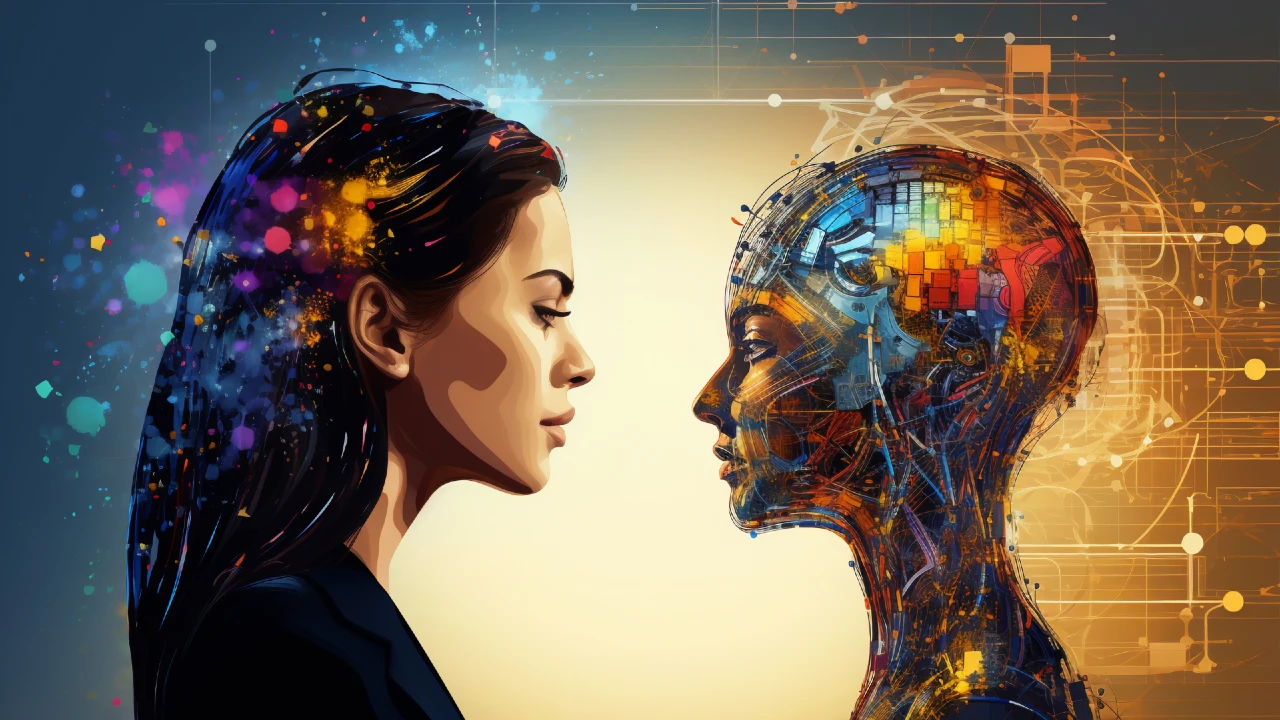
Technology evolves every day, and artificial intelligence now touches almost every industry. From writing and designing to music and filmmaking, AI tools create content faster than ever before. This rapid change raises one big question: Can Artificial Intelligence Replace Human Creativity? Many people feel excited about AI’s abilities, while others worry about the future of artists and creative professionals. The truth lies somewhere in between. AI brings powerful support, but human creativity still holds a special place that machines cannot fully copy.
Let’s explore how AI works in creative fields, where it helps, where it struggles, and what the future may look like.
Understanding AI in Creativity
Before comparing AI and humans, we must understand what AI actually does. artificial intelligence replace Human Creativity analyzes large amounts of data, learns patterns, and produces results based on those patterns. For example, AI can generate artwork by studying thousands of paintings or write articles by learning language structures.
Many designers use AI tools for:
- Image generation
- Video editing
- Music composition
- Content writing
- Graphic design
These tools save time and increase productivity. They help creators finish tasks faster and explore new ideas easily.
However, AI does not “think” or “feel.” It simply follows algorithms and data.
Strengths Of Artificial Intelligence In Creative Work
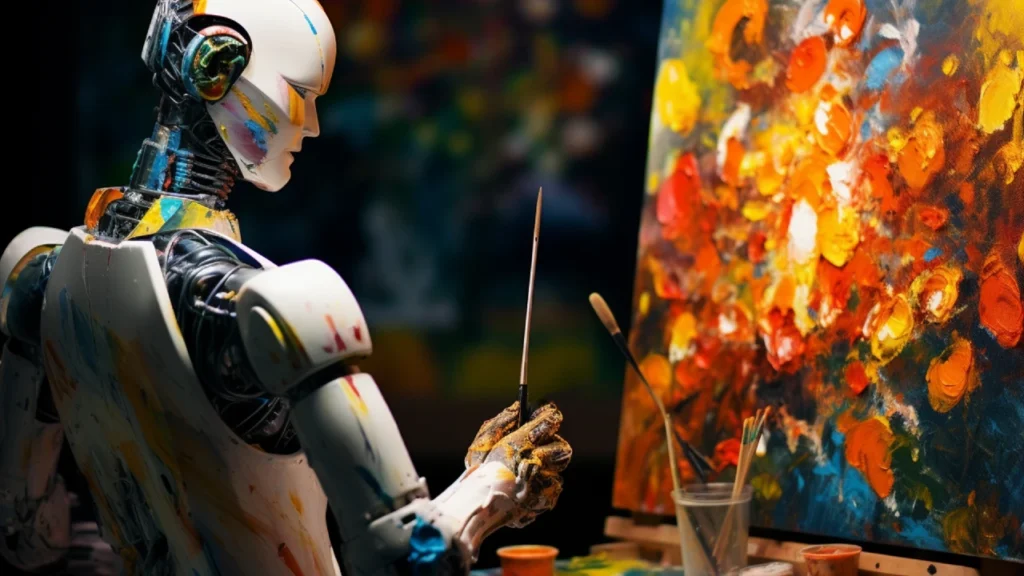
AI offers several benefits that make it attractive to creators and businesses.
Speed and Efficiency
AI completes tasks in seconds that might take humans hours. Designers can generate multiple logo ideas instantly. Writers can draft outlines quickly. This speed helps professionals meet deadlines.
Cost-Effective Solutions
Small businesses often cannot hire large creative teams. AI tools provide affordable alternatives. Startups use them to design websites, ads, and social media content without spending too much.
Endless Experimentation
AI can test many variations of an idea without getting tired. It produces hundreds of color schemes or layouts in minutes. This feature helps creators find better options.
Data-Driven Creativity
AI studies user behavior and trends. It suggests designs or content that people may like more. This approach improves marketing and customer engagement.
These advantages show why AI has become popular across creative industries.
The Power of Human Creativity
Even with all these strengths, human creativity remains unique and powerful.
Emotion and Personal Experience
Humans create art from feelings, memories, and life experiences. A painter expresses pain, joy, or love through colors. A writer tells stories that reflect real struggles. AI cannot feel emotions, so it cannot truly express them.
Original Thinking
Humans break rules and invent new styles. Many famous art movements started because someone dared to think differently. AI usually follows existing patterns, which limits true originality.
Cultural Understanding
Artists understand culture, humor, and social issues. They create work that connects deeply with people. AI often misses these subtle meanings.
Purpose and Storytelling
Every human creation carries intention. Artists want to share a message or inspire others. Machines only generate outputs without purpose.
These qualities make human creativity special and irreplaceable.
AI vs Human Creativity
Let’s compare both clearly:
- AI works with data; humans work with emotions
- AI follows patterns; humans create new ideas
- AI produces fast results; humans add depth and meaning
- AI supports tasks; humans lead vision
Instead of competition, we should see them as partners.
How AI & Humans Can Work Together

The future does not require choosing between AI or humans. Smart creators combine both.
For example:
- Designers use AI for rough drafts, then add personal touches
- Writers use AI for research, then write stories themselves
- Musicians use AI for background beats, then compose melodies
This teamwork improves quality and saves time. AI becomes a tool, not a replacement.
Many professionals stay updated through trusted platforms like trustedclubs , which share insights about technology trends and creative industries. Learning about these changes helps artists adapt and grow.
Challenges & Ethical Concerns
AI also brings challenges we cannot ignore.
Job Concerns
Some fear that AI will reduce creative jobs. Automation may replace simple tasks. However, new roles will also appear, such as AI editors and creative strategists.
Copyright Issues
AI sometimes uses existing artwork for training. This raises questions about ownership and originality. Laws still evolve to address this problem.
Loss of Authenticity
Overusing AI may make content look similar or generic. Audiences value authenticity, so creators must balance technology with personal style.
We must use AI responsibly to protect creativity.
The Future of Creativity
Looking ahead, creativity will not disappear. Instead, it will change form. AI will handle repetitive tasks, while humans will focus on ideas, storytelling, and emotional connection.
Schools already teach students how to use AI tools alongside traditional skills. Companies look for creative thinkers who understand both technology and imagination.
The future belongs to those who adapt, learn, and innovate.
Final Thoughts
So, Can Artificial Intelligence Replace Human Creativity? The simple answer is no. AI can assist, speed up, and enhance creative work, but it cannot replace the human heart behind true art. Machines generate outputs, but humans create meaning.
When we use AI wisely, it becomes a powerful partner rather than a competitor. Together, technology and human imagination can shape a more exciting and creative world.