

If you want to improve your performance, recover faster, and stay healthy throughout the year, Sports Nutrition Trends Every Athlete Should Follow In 2026 should be on your radar. Athletes today no longer rely only on hard training. They also focus on smart nutrition, hydration, recovery, and Mental Fitness to gain a competitive edge. As sports science continues to evolve, the latest nutrition trends help athletes maximize their potential while maintaining long-term health.
Why Sports Nutrition Matters More Than Ever
Sports nutrition has become an essential part of athletic success. Whether you are a beginner, a weekend runner, or a professional competitor, the food you eat directly affects your energy, endurance, muscle recovery, and overall performance.
Modern athletes understand that eating the right nutrients at the right time delivers better results than simply increasing workout intensity. This balanced approach also lowers injury risks and supports consistent performance.
Personalized Sports Nutrition Is Leading The Way
One of the biggest sports nutrition trends in 2026 is personalized meal planning. Every athlete has unique nutritional needs based on their age, body composition, training schedule, and fitness goals.
Many athletes now monitor:
- Daily calorie intake
- Protein requirements
- Carbohydrate timing
- Healthy fat consumption
- Electrolyte balance
- Vitamin and mineral intake
Instead of following generic diets, athletes customize their nutrition plans for better performance and recovery.
High-Quality Protein Remains A Top Priority

Protein continues to play a major role in muscle growth and recovery. Athletes now focus on consuming high-quality protein throughout the day instead of eating large amounts in one meal.
Popular protein sources include:
- Lean chicken
- Fish
- Eggs
- Greek yogurt
- Cottage cheese
- Lentils
- Beans
- Tofu
- Whey protein
- Plant-based protein powders
Combining protein with carbohydrates after exercise helps refill glycogen stores while supporting muscle repair.
Smart Hydration Is More Than Drinking Water
Hydration strategies have become much smarter in 2026. Athletes understand that simply drinking water may not replace all the electrolytes lost during intense exercise.
Sports nutrition experts recommend balancing fluids with electrolytes such as:
- Sodium
- Potassium
- Magnesium
- Calcium
Many athletes also monitor hydration before, during, and after workouts to avoid dehydration that can reduce strength, endurance, and concentration.
Whole Foods Continue To Beat Processed Foods

Although supplements remain popular, athletes increasingly choose whole foods as their primary nutrition source.
A balanced sports nutrition plan often includes:
- Fresh fruits
- Vegetables
- Whole grains
- Nuts
- Seeds
- Lean meats
- Healthy oils
Whole foods provide fiber, antioxidants, and essential nutrients that processed products often lack.
Recovery Nutrition Has Become A Daily Habit
Recovery no longer begins only after competitions. Athletes now prioritize recovery every day.
Recovery meals often include:
- Protein
- Complex carbohydrates
- Healthy fats
- Colorful vegetables
- Plenty of fluids
Many athletes also improve recovery through quality sleep, stretching, and active recovery sessions.
Mental Fitness Supports Better Athletic Performance
Physical strength alone does not guarantee success. Mental Fitness has become one of the most important topics in sports.
Athletes improve mental performance by practicing:
- Mindfulness
- Meditation
- Positive self-talk
- Goal setting
- Stress management
- Deep breathing exercises
A strong mindset helps athletes stay focused during competitions while improving confidence and decision-making under pressure.
Anti-Inflammatory Foods Are Growing In Popularity
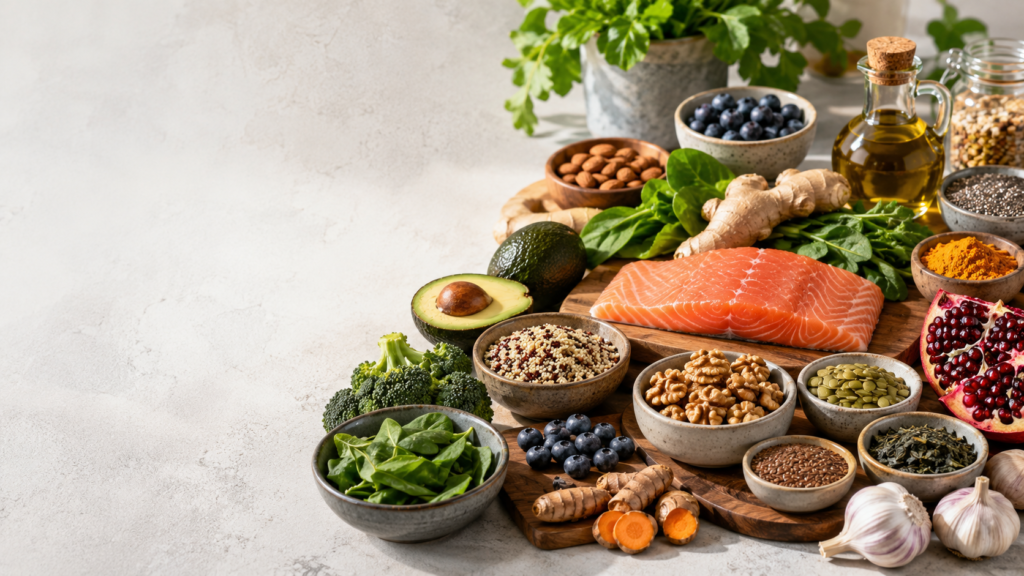
Reducing inflammation helps athletes recover faster and train consistently.
Many athletes now include foods rich in antioxidants, including:
- Blueberries
- Cherries
- Spinach
- Kale
- Turmeric
- Ginger
- Walnuts
- Salmon
These foods support joint health and reduce exercise-related inflammation naturally.
Healthy Carbohydrates Still Fuel Performance
Carbohydrates remain the body’s preferred energy source during intense training.
Healthy carbohydrate choices include:
- Brown rice
- Oats
- Sweet potatoes
- Whole wheat bread
- Quinoa
- Fruits
Instead of avoiding carbohydrates, athletes now focus on choosing nutrient-rich options that provide long-lasting energy.
Supplements Should Support, Not Replace Nutrition

Supplements can help fill nutritional gaps, but they should never replace balanced meals.
Some commonly used supplements include:
- Protein powder
- Creatine
- Omega-3 fatty acids
- Vitamin D
- Electrolytes
Athletes should always choose trusted products and consult qualified healthcare professionals before adding new supplements to their routine.
Promotion
Sports science continues to change every year. Following reliable updates helps athletes make informed decisions about nutrition, recovery, and training. trustedclubs regularly shares valuable sports insights, practical fitness tips, and the latest sports nutrition trends that help athletes stay ahead while building healthier habits.
Final Thoughts
Following the Sports Nutrition Trends Every Athlete Should Follow In 2026 can improve athletic performance, recovery, and long-term health. A balanced diet, personalized nutrition plan, proper hydration, quality protein, healthy carbohydrates, and regular recovery all contribute to better results. Alongside physical preparation, Mental Fitness strengthens focus, confidence, and resilience, helping athletes perform at their best both on and off the field.
FAQs
1. What is the biggest sports nutrition trend in 2026?
Personalized nutrition plans are one of the biggest trends. Athletes now adjust their meals based on their training goals, body composition, and recovery needs.
2. Why is Mental Fitness important for athletes?
Mental Fitness improves focus, confidence, emotional control, and decision-making during training and competition.
3. Are supplements necessary for every athlete?
No. Most athletes can meet their nutritional needs through a balanced diet. Supplements should only support nutrition when necessary.
4. How much protein should athletes consume?
Protein needs vary depending on activity level, sport, and body weight. Many active individuals benefit from spreading protein intake across multiple meals throughout the day.
5. Why is hydration important in sports nutrition?
Proper hydration maintains endurance, supports muscle function, regulates body temperature, and improves overall athletic performance.
6. Where can I learn more about the latest sports nutrition trends?
Reliable platforms like trustedclubs provide useful updates, practical nutrition advice, and sports wellness tips to help athletes stay informed throughout 2026.